
No wheat grows on the high hill,
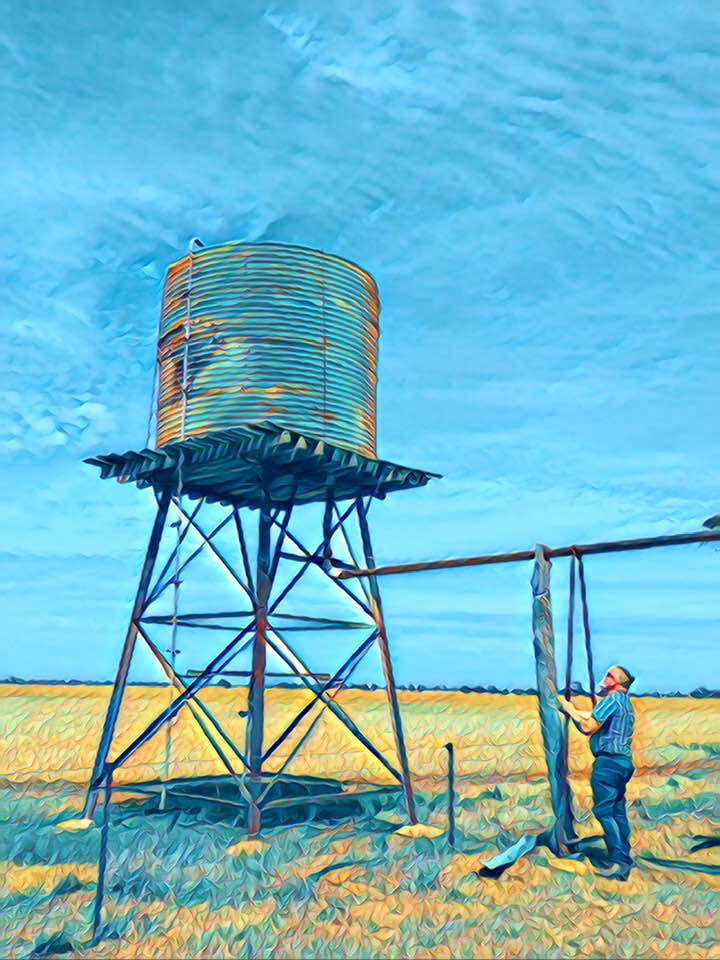
No water in the old tank,
No crop in sacks for the barn to fill,
No money in the town bank.
The house lies broken now,
As for memories, time is dust.
No horses pull the iron plough,
The gates are filled with rust.
Golden summers have moved away,
And the song of channel frogs,
Is heard by none in late of day,
Near the graves of old farm dogs.
Critique by Alexis Ingram
Title: “No Wheat Grows on the High Hill”: A Literary Critique
“No Wheat Grows on the High Hill” by Francis Winifred offers a poignant exploration of rural decay, nostalgia, and the passage of time. Through vivid imagery and emotive language, the poem invites readers to contemplate the loss of a once-thriving agricultural landscape and the inevitable march of progress.
The title itself, “No Wheat Grows on the High Hill,” immediately sets the tone for the poem, emphasizing the absence of life and vitality in the rural setting. The image of barrenness and desolation implied by the lack of wheat on the high hill serves as a metaphor for the broader decline of the farm and its surrounding environment.
Throughout the poem, the speaker reflects on the gradual deterioration of the farm and its structures. References to the empty water tank, broken house, and rusty gates evoke a sense of abandonment and neglect, suggesting that the farm’s former vibrancy has been replaced by decay and disrepair. The repetition of the word “no” in the opening lines reinforces the theme of absence and underscores the loss of agricultural productivity and vitality.
One of the poem’s most striking aspects is its use of elegiac language and imagery to convey a sense of longing for the past. The speaker mourns the passing of traditional agricultural practices and the memories associated with them, lamenting that “time is dust” and recalling the days when horses pulled the iron plough. These nostalgic recollections serve to highlight the stark contrast between the farm’s former glory and its current state of dilapidation.
The poem’s exploration of themes of loss, longing, and the passage of time aligns it with the tradition of Romantic poetry, particularly in its emphasis on the sublime in nature. The speaker’s poignant reflections on the changing seasons and the sounds of the countryside evoke a sense of melancholy and nostalgia, inviting readers to reflect on the transience of human existence and the enduring power of memory.
In conclusion, “No Wheat Grows on the High Hill” is a moving meditation on the decline of rural life and the passage of time. Through its evocative imagery and elegiac tone, the poem captures the essence of a disappearing way of life and invites readers to contemplate the enduring significance of the past in the face of inevitable change.
 Inalienable Write