
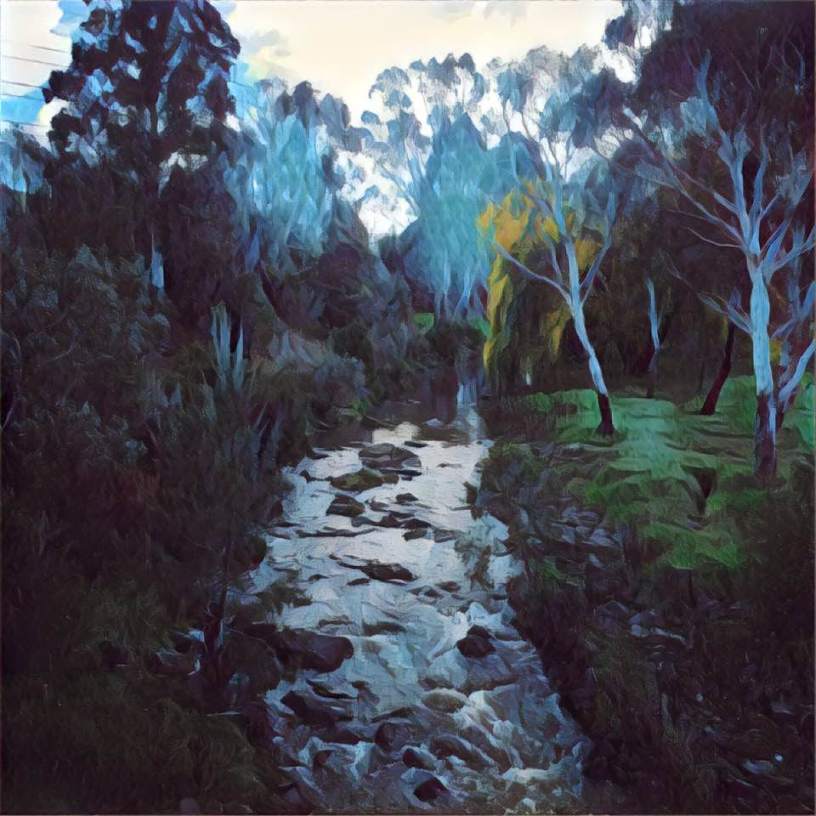
Shame is like the dry river,
It needs a flood to wash the pain.
It’s a package you deliver,
Your own advocacy campaign.
The river is a long road,
The water is a toll owed.
No flow is a mind gone still,
Empty glass and bitter pill.
Critique by Alexis Ingram
“The Dry River” by Francis Winifred delves into the theme of shame and its impact on individuals. Through vivid imagery and metaphorical language, the poem explores the experience of shame as akin to a dry river, emphasizing its stagnancy and the need for a transformative event to alleviate its burdens.
The comparison of shame to a dry river is evocative, suggesting a sense of emptiness, aridity, and stagnation. By likening shame to a natural phenomenon, the poem imbues it with a universal quality that resonates with readers. This metaphor also hints at the persistence of shame, emphasizing its enduring presence in the individual’s psyche.
The imagery of a flood as a necessary force to wash away the pain of shame is powerful, highlighting the transformative potential of confronting and addressing one’s feelings of shame. The idea of shame as a “package you deliver” suggests a sense of personal responsibility for one’s shame, implying that it is self-imposed and can be overcome through personal agency and advocacy.
The poem’s use of rhyme and rhythm enhances its impact, lending a musical quality to the verses that draw readers into the emotional landscape of shame. The repetition of the phrase “The river is a long road” reinforces the theme of endurance and the journey toward self-acceptance and healing.
In terms of the school of poetry, “The Dry River” aligns with the tradition of Modernist poetry. Modernist poets often employed metaphorical language, unconventional imagery, and fragmented structures to explore complex themes such as alienation, disillusionment, and the human condition. This poem’s use of metaphor to convey the experience of shame, as well as its departure from traditional forms, suggests an affinity with the Modernist movement.
Overall, “The Dry River” offers a thought-provoking exploration of the experience of shame and the possibility of redemption. Through its vivid imagery, metaphorical language, and rhythmic verses, the poem invites readers to reflect on the nature of shame and the potential for growth and transformation in overcoming it.
 Inalienable Write