
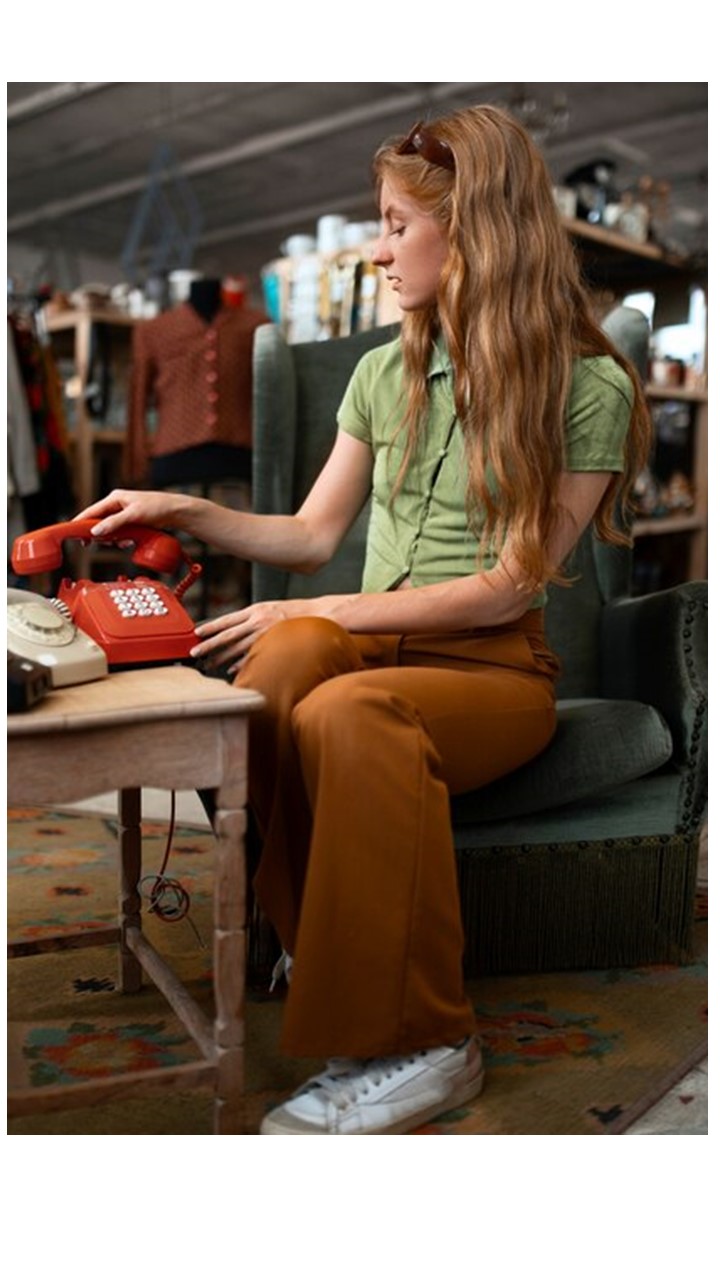
There is, nearby, an old opportunity shop.
Where doldrum, boredom and old books cause me to stop.
But no opportunity seems there to be found,
Just Bryce Courtney Books and the sad, sorrowful sound
Of second-hand searching sad-sacks and old shoes,
Sole trodden, and so well worn they gave me the blues.
So many long-play records in this collection,
Mario Lanza, Mozart’s Classical Selection.
Collections, equal in stores across the city,
A collection from the dead, so that I pity
The family who cried and sorted while they packed
The crockery, armchairs, and the teacups all cracked.
Her husband’s things that had remained in the shed,
The suits are all good, even though he’s long dead.
His old leather boots, still holding some garden dirt,
His small-waisted trousers and a wide collared shirt.
These prompted me to say to one of the browsers,
“It’s like fat men, don’t give away their trousers.”
Someone’s trash, is another one’s treasure,
The value of a life is not hard to measure.
Old volunteers, lips pursed, breathe the air where they stand,
And so too the oxygen smells so second hand,
From the loud broad neckties and the long summer shorts,
And faded shirts, short-sleeved, of odd sizes and all sorts.
Each item brings with it an odor of the past,
And a poor someone’s history that wouldn’t last.
Someone’s trash, is another one’s treasure,
Someone’s pain is another one’s pleasure.
There is, nearby, an old opportunity shop.
Where people bring their old things of the past to drop
Along with memories and any connection
And leave them easy, with no time for reflection.
Is it not peculiar, that those souls who attend,
Choosing some odd item, that may help them to mend?
Who browse through the books, the old shoes, records, and hats,
Who take home their found goods to their dogs and their cats.
Perhaps in all of that, in old things that they find,
Aren’t stored in their home but stored in their mind.
Perhaps in all of that, it helps with reflection,
And through this one item, they find a connection,
Perhaps in all of that, they find community,
Perhaps that’s where there lies opportunity.
Critique by Alexis Ingram
Title: The Old Opportunity Shop: A Literary Critique
In “The Old Opportunity Shop,” the Francis Winifred delves into the nostalgic and melancholic atmosphere of a thrift store, exploring the inherent value and significance of seemingly mundane objects. Through vivid imagery and evocative language, the poem invites readers to contemplate the layers of history and emotion embedded within the shop’s offerings.
One striking aspect of the poem is its portrayal of the shop as a repository of lost memories and forgotten narratives. The speaker’s observations of worn-out books, records, and clothing items evoke a sense of poignancy, suggesting that each item carries a story waiting to be rediscovered. This theme is reinforced through the juxtaposition of seemingly trivial objects with profound emotional resonance, such as the husband’s discarded belongings that serve as poignant reminders of a life once lived.
Furthermore, the poem explores the transformative power of perception, highlighting how one person’s trash can become another’s treasure. Through poignant reflections on the subjective nature of value, the poet challenges readers to reconsider their preconceived notions of worth and to recognize the inherent dignity in all objects, regardless of their material condition.
The poem also delves into broader themes of community and connection. By depicting the diverse array of individuals who frequent the shop, from browsing browsers to dedicated volunteers, the poet emphasizes the role of the store as a communal space where people come together to share stories, memories, and experiences. In doing so, the poem suggests that amidst the transient nature of material possessions, it is the human connections forged within the shop’s walls that truly endure.
Overall, “The Old Opportunity Shop” is a poignant meditation on the passage of time, the resilience of memory, and the enduring power of human connection. Through its evocative imagery and thought-provoking themes, the poem invites readers to contemplate the significance of the seemingly mundane and to find beauty in the everyday artifacts of life.
 Inalienable Write