
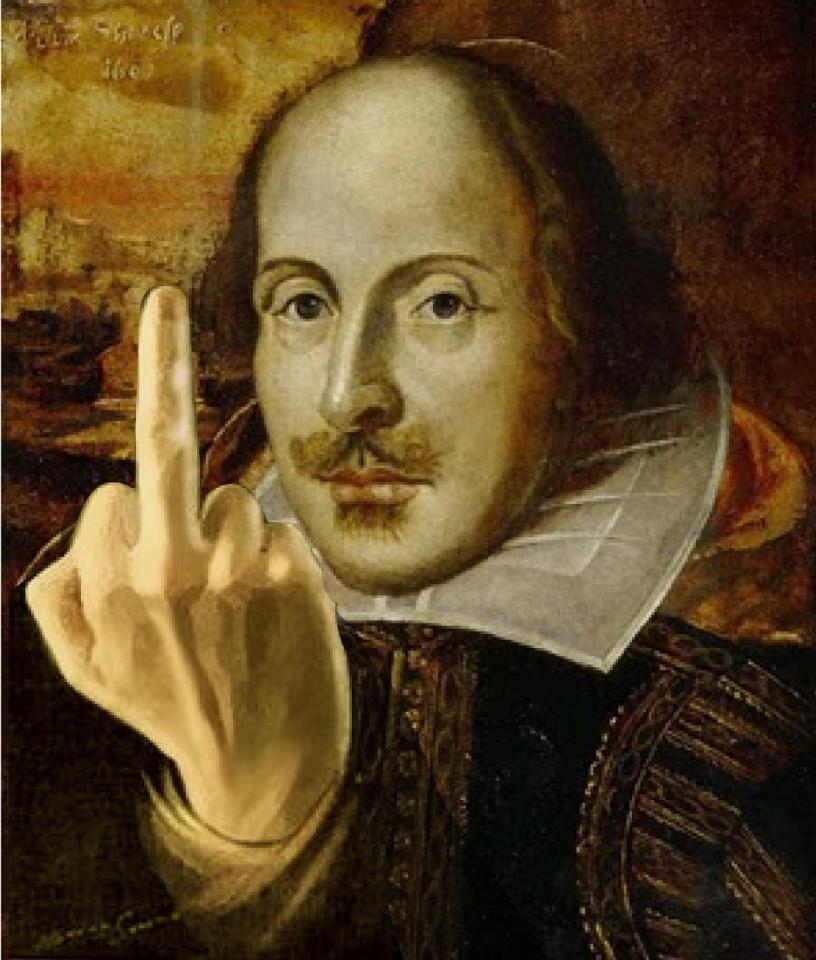
I’m trying to read Shakespeare and I’m getting Barista Brothers
For the sake of God, then I’m getting others
To sell or push their wares on me when I am reading Hamlet
Instead I’m handed wisdom in the form of electronic pamphlet.
This “Web of our life is a mingled yarn, good and ill together”
With Asian porn and poetry and all that cash would gather,
Presents within my browse regardless of my inclination,
As though I would quote Hamlet during a course of masturbation.
“Out, out brief” pop-up, get ye gone and leave me with my craft.
Wish that I could prise apart these that are bound by digital graft.
Critique by Alexis Ingram
This poem humorously and satirically addresses the frustration of attempting to read Shakespeare online while being bombarded by distracting pop-up advertising. Here’s a critique:
**Strengths:**
1. **Humorous Tone:**
– The poem employs a witty and humorous tone, effectively capturing the exasperation of the speaker while attempting to engage with Shakespeare amidst intrusive pop-up advertising. This tone adds an entertaining element to the critique.
2. **Creative Wordplay:**
– The wordplay, such as the juxtaposition of “Barista Brothers” and the mention of “electronic pamphlet,” contributes to the poem’s clever and satirical approach. The creative use of language enhances the overall engagement with the theme.
3. **Clever Incorporation of Shakespeare:**
– The poem cleverly weaves Shakespearean references, such as “The web of our life is a mingled yarn,” into the narrative of dealing with pop-up ads. This connection between classical literature and modern online nuisances adds depth to the critique.
**Considerations:**
1. **Consistency in Meter:**
– The poem maintains a conversational and informal tone, which aligns well with its satirical nature. However, some lines vary in length and rhythm, impacting the overall flow. Ensuring a more consistent meter could enhance the poem’s cadence.
2. **Exploration of Theme:**
– While the poem effectively addresses the annoyance of pop-up ads, there might be an opportunity to explore this theme more deeply. Delving into the broader implications of constant online interruptions, perhaps even reflecting on the juxtaposition of classic literature and modern distractions, could add layers to the critique.
3. **Closure:**
– The closing lines express a desire to separate the digital entanglements, providing a resolution to the speaker’s frustration. Strengthening the closure by reinforcing the contrast between the digital distractions and the desire for undisturbed reading could solidify the poem’s impact.
In conclusion, the poem successfully combines humor, wordplay, and Shakespearean references to critique the interference of pop-up advertising during attempts to read classic literature online. Addressing consistency in meter, exploring the theme more deeply, and refining the closure could further enhance the overall effectiveness of the poem.
 Inalienable Write